Case study >

5 Overlooked Inventory Management Challenges That Demand Immediate Attention

KPIs

Managing inventory is fundamental to business operations and holds significant economic implications. Effective inventory management ensures smooth operations, cost-effectiveness, and customer satisfaction. Conversely, poor inventory management can lead to significant financial losses. This blog delves into the intricacies of inventory management, exploring common challenges, the impact of poor practices, and best practices for optimization.

Understanding Inventory Management

At its core, inventory management refers to the tracking and controlling of a company’s stocked goods. This process encompasses raw materials, components, and finished products. It involves ordering, storing, and using a company’s inventory and encompasses all aspects of the supply chain.

Common Challenges in Inventory Management

Effective inventory management is not without its challenges. Businesses often face issues with:

  1. Demand Forecasting Inaccuracies: Forecasting demand accurately is complex, particularly in volatile markets. Inaccurate forecasts can lead to overstocking, resulting in increased storage costs and potential wastage, or stockouts, leading to lost sales and customer dissatisfaction.
  2. Supply Chain Disruptions: External factors such as supplier delays, geopolitical issues, or natural disasters can disrupt the supply chain, leading to unexpected inventory shortages or surpluses.
  3. Inventory Tracking Problems: Keeping track of inventory levels, especially for large businesses with multiple locations, can be complex. Poor tracking can lead to discrepancies between recorded and actual inventory levels.
  4. Limited Visibility: Without a clear view of the entire supply chain, businesses struggle to make informed decisions about inventory management, leading to inefficiencies and increased costs.
  5. Supplier Collaboration Challenges: Poor communication and collaboration with suppliers can result in issues with order fulfillment, affecting inventory levels and supply chain efficiency.

The Impact of Poor Inventory Management

Poor inventory management can have far-reaching consequences:

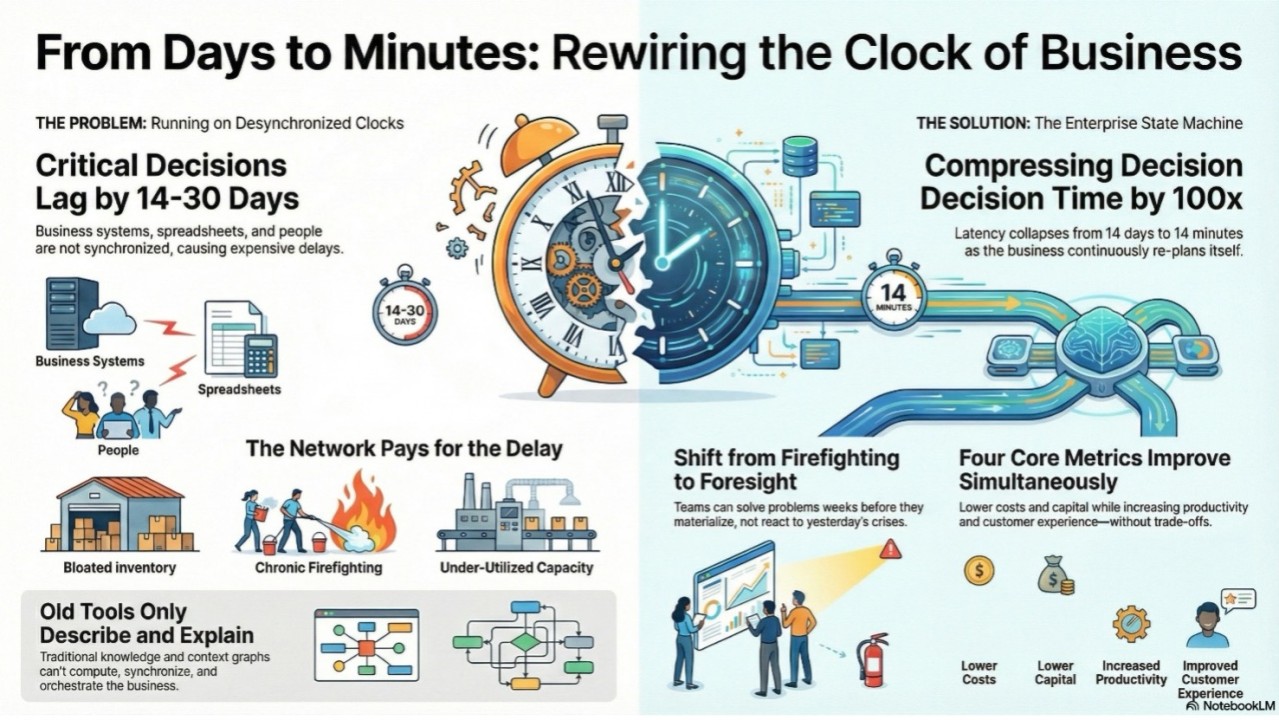
  • Financial Losses: Both overstocking and stockouts can lead to significant financial losses. Overstocking ties up capital in unsold goods, while stockouts mean missed sales opportunities.
  • Customer Dissatisfaction: Inability to fulfill orders promptly can damage customer relationships and harm brand reputation.
  • Operational Inefficiencies: Poor inventory management can lead to inefficient use of storage space, increased handling costs, and wasted resources.

Strategies for Effective Inventory Management

To overcome these challenges, businesses can implement several key strategies:

  1. Demand Forecasting: Using historical data and market analysis, businesses can improve the accuracy of their demand forecasts. Advanced tools like AI-driven predictive analytics can greatly enhance this process.
  2. Inventory Optimization: Businesses should aim to maintain optimal inventory levels, avoiding both overstocking and stockouts. This involves regular review of inventory policies and using data-driven approaches to determine reorder points and safety stock levels.
  3. Real-Time Tracking and Visibility: Implementing systems that provide real-time visibility into inventory levels across the supply chain can significantly improve inventory management. Technologies like RFID and IoT sensors can be instrumental in this regard.
  4. Supplier Collaboration: Building strong relationships with suppliers and establishing effective communication channels are crucial for efficient inventory management. Collaborative platforms can facilitate this process.

The Role of Technology in Inventory Management

Technology plays a pivotal role in modern inventory management:

  • Inventory Management Software: Software solutions can automate and streamline inventory tracking, reducing manual errors and providing valuable insights for decision-making.
  • Digital Twins: Advanced technologies like digital twins offer a virtual representation of the physical inventory and supply chain, enabling businesses to simulate different scenarios and optimize inventory management strategies.
  • AI and Machine Learning: These technologies can analyze large volumes of data to provide more accurate demand forecasts, identify patterns, and suggest optimal inventory levels.

Best Practices in Inventory Management

Some best practices in inventory management include:

  • Regular Audits: Conducting regular inventory audits helps in maintaining accuracy in inventory records.
  • Diversified Supplier Base: Having multiple suppliers for critical items can reduce the risk of supply chain disruptions.
  • Continuous Improvement: Regularly reviewing and improving inventory management processes is essential for staying competitive.

Future Trends in Inventory Management

Looking ahead, several trends are set to shape the future of inventory management:

  • Advanced Analytics: The use of AI and advanced analytics will become increasingly important in predicting demand and optimizing inventory levels.
  • Sustainable Practices: There is a growing emphasis on incorporating sustainable practices into inventory management, such as reducing waste and improving the efficiency of supply chain operations.
  • Omnichannel Integration: As businesses increasingly adopt an omnichannel approach, integrating inventory management across multiple channels will become more important.

In conclusion, effective inventory management is a complex but crucial aspect of business operations. By embracing technology and best practices, businesses can optimize their inventory management processes, leading to improved efficiency, cost savings, and customer satisfaction. As the business landscape continues to evolve, staying ahead of the curve in inventory management will be key to maintaining competitive advantage.

Explore more

From Chaos to Coordination: A Smarter Inventory Management Strategy for Volatile Supply Chains

Clean-to-Build Demo: See What's Clean-to-Build Across All Lines

Rewiring the Enterprise Clock: From Context Graphs to Enterprise State Machines

Ready to unleash the magic of your supply chain?

Contact Us