In the aftermath of a recent bridge collapse, the shockwaves reverberate throughout the Baltimore community but the impact of such a tragic event
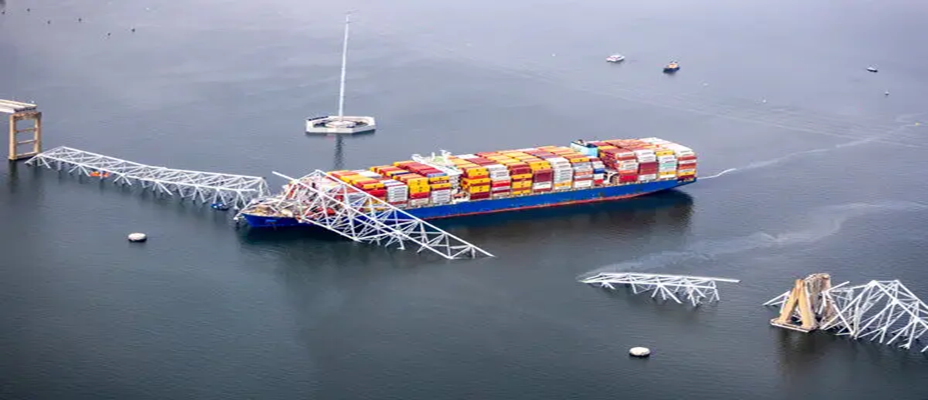
When the Francis Scott Key Bridge in Baltimore collapsed on March 26th, 2024, it sent shockwaves through the US supply chain. As with many such unforeseen events, businesses found themselves scrambling to assess the impact and find workarounds. But for companies already leveraging TADA’s Digital Twin platform, the response was markedly different – swifter, more informed, and more strategic.
The bridge collapse had far-reaching consequences for supply chains across industries. The Port of Baltimore handles millions of tons of cargo annually, and its temporary closure created immediate disruptions for thousands of businesses. Companies that rely on the port for their imports and exports had to quickly reassess their logistics strategies.
For TADA’s customers, the response process was significantly streamlined. Here’s how the platform’s capabilities came into play:
The Baltimore bridge collapse serves as a reminder of why supply chain resilience must be a priority. While no platform can prevent external disruptions, having the right tools in place can mean the difference between an orderly, managed response and costly chaos.
Key elements of supply chain resilience include:
As global supply chains continue to face increasing volatility – from climate events and geopolitical tensions to infrastructure failures – the ability to respond swiftly and intelligently to disruptions will increasingly define competitive advantage.
TADA’s Digital Twin platform represents a new paradigm in supply chain management: one where data-driven insights and collaborative capabilities enable organizations to not just survive disruptions, but to navigate them with greater confidence and minimal operational impact.
Test your own scenarios with TADA’s Clean TO! Build and see the impact in minutes.
Try TADA Clean TO! Build
Test your own scenarios with TADA’s RM Inventory Manager and see the impact in minutes.
Try RM Inventory Manager

Use TADA’s Tariff Manager to model costs, build agility, and protect margins.
Try the Tariff Manager
Test your own scenarios with TADA’s Tariff Manager and see the impact in minutes.
Try the Tariff Managerest your own scenarios with TADA’s RM Inventory! Manager and see the impact in minutes.
TRY RM Inventory! Manager
Team TADA brings together supply chain practitioners, data engineers, and AI specialists focused on turning complex supply chain data into coordinated action. TADA-an anagram for Data-is built on an AI-enabled Digital Twin foundation that connects data, processes, partners, and decisions to enable real-time visibility, actionable insights, and scenario-based planning across extended supply chain networks.TADA supports mission-critical operations for complex supply chains across manufacturing, CPG, retail, and healthcare. With more than 50 enterprise deployments over the past four years, the team has worked with both Fortune 100 organizations and mid-market companies to modernize how supply chains are planned, monitored, and executed.

.jpeg)
.jpeg)