Healthcare inventory and supply chain management has increased in significance due to realization among hospital executives.

The significance of healthcare inventory and supply chain management has increased in recent years due to the realization among medical staff and hospital executives of its critical role in overall hospital performance. Effective healthcare inventory management ensures that the right products are available at the right time and place, thereby improving patient outcomes, enhancing hospital performance, and achieving significant cost savings.
Healthcare inventory management involves the systematic planning, monitoring, and optimizing of medical supplies, pharmaceuticals, and equipment in hospitals and healthcare facilities. The primary goal is to maintain optimal inventory levels, ensuring products are available when needed while minimizing waste and costs. This comprehensive process encompasses everything from procurement to distribution, leveraging technology for enhanced efficiency and accuracy.
Healthcare supply chain management (SCM) extends beyond individual hospitals to include manufacturers, distributors, healthcare providers, pharmacies, and even patients. Key components include demand forecasting, procurement, warehousing, distribution, and a focus on quality, compliance, and safety.
The healthcare sector faces unique challenges in inventory management:
· Demand Variability: Fluctuating patient needs and unpredictable disease outbreaks make demand forecasting challenging.
· Expiration Issues: Managing the shelf life of pharmaceuticals and medical supplies to minimize waste.
· Regulatory Compliance: Adhering to strict regulatory requirements for storage, handling, and tracking of medical products.
· Supply Chain Disruptions: Dealing with global supply chain disruptions that can affect the availability of critical medical supplies.
· Budget Constraints: Balancing the need for adequate inventory with the financial pressures faced by healthcare organizations.
To overcome these challenges, healthcare organizations can employ several strategies:
· Just-In-Time (JIT) Inventory: Ordering supplies only when needed to reduce carrying costs and minimize waste.
· ABC Analysis: Classifying inventory based on value and importance to prioritize management efforts.
· Vendor-Managed Inventory (VMI): Allowing suppliers to manage inventory levels, reducing administrative burden and improving supply reliability.
· Inventory Optimization Tools: Utilizing software solutions for demand forecasting, automated reordering, and real-time inventory tracking.
· Cross-Functional Collaboration: Enhancing collaboration between clinical, administrative, and supply chain teams to align inventory strategies with patient care needs.
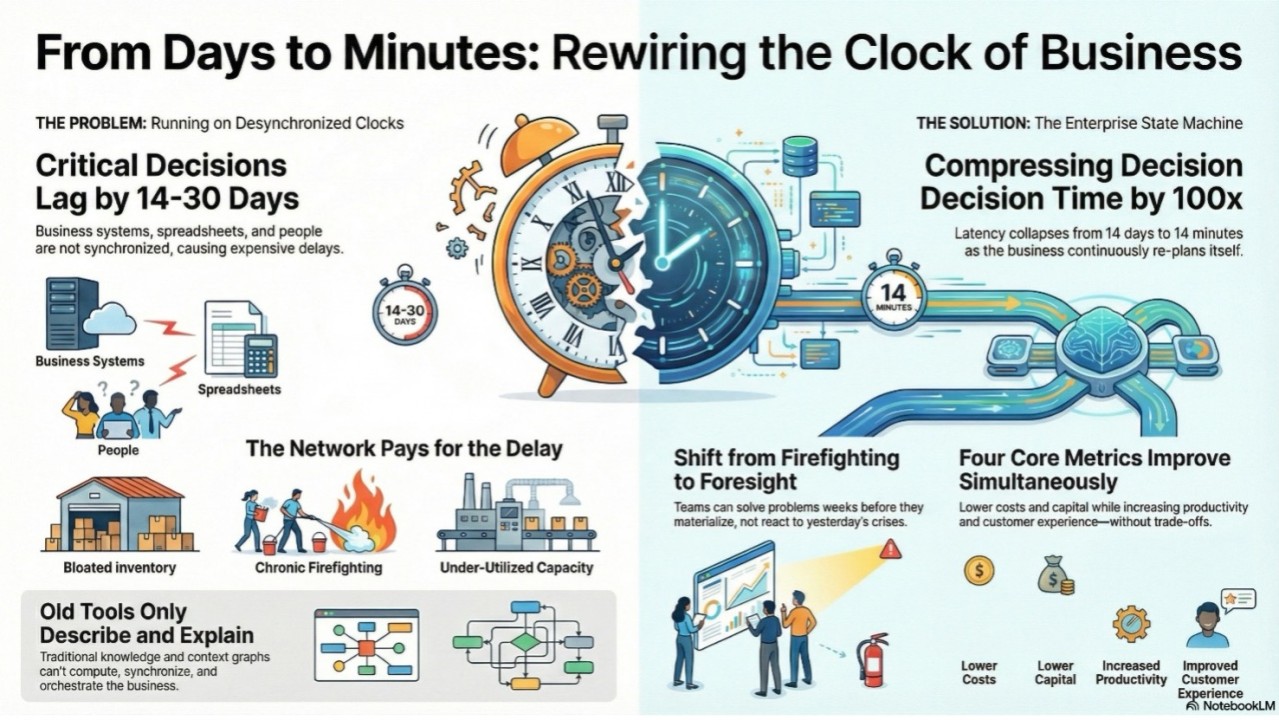
Advanced technologies are revolutionizing healthcare inventory management, with digital twins playing a central role. A digital twin in inventory management is a virtual model that mirrors the real-time state of the physical inventory system. This technology enables healthcare organizations to:
· Simulate Demand Scenarios: Predict future demand patterns and adjust inventory strategies accordingly.
· Optimize Stock Levels: Continuously balance inventory levels to reduce waste while ensuring product availability.
· Improve Supplier Collaboration: Enhance visibility and coordination with suppliers to ensure timely delivery and compliance with quality standards.
· Enhance Regulatory Compliance: Maintain accurate records and documentation to meet regulatory requirements.
TADA's advanced supply chain management platform leverages digital twin technology and AI to address the unique challenges of healthcare inventory management. Key features include:
· Real-Time Visibility: Provides a comprehensive view of the entire supply chain, enabling proactive decision-making and rapid response to disruptions.
· Predictive Analytics: Uses AI to forecast demand and optimize inventory levels, reducing waste and costs.
· Supplier Collaboration: Facilitates seamless collaboration with suppliers, improving delivery performance and compliance.
· Regulatory Compliance: Ensures adherence to healthcare regulations through accurate record-keeping and reporting.
TADA's platform has been recognized by Gartner for its innovative approach to supply chain management, offering a powerful solution for healthcare organizations looking to enhance their inventory management capabilities.
Test your own scenarios with TADA’s Clean TO! Build and see the impact in minutes.
Try TADA Clean TO! Build
Test your own scenarios with TADA’s RM Inventory Manager and see the impact in minutes.
Try RM Inventory Manager

Use TADA’s Tariff Manager to model costs, build agility, and protect margins.
Try the Tariff Manager
Test your own scenarios with TADA’s Tariff Manager and see the impact in minutes.
Try the Tariff Managerest your own scenarios with TADA’s RM Inventory! Manager and see the impact in minutes.
TRY RM Inventory! Manager
Team TADA brings together supply chain practitioners, data engineers, and AI specialists focused on turning complex supply chain data into coordinated action. TADA-an anagram for Data-is built on an AI-enabled Digital Twin foundation that connects data, processes, partners, and decisions to enable real-time visibility, actionable insights, and scenario-based planning across extended supply chain networks.TADA supports mission-critical operations for complex supply chains across manufacturing, CPG, retail, and healthcare. With more than 50 enterprise deployments over the past four years, the team has worked with both Fortune 100 organizations and mid-market companies to modernize how supply chains are planned, monitored, and executed.

.jpeg)

.jpeg)