Interconnected supply chain infrastructure makes risk management a primary challenge.
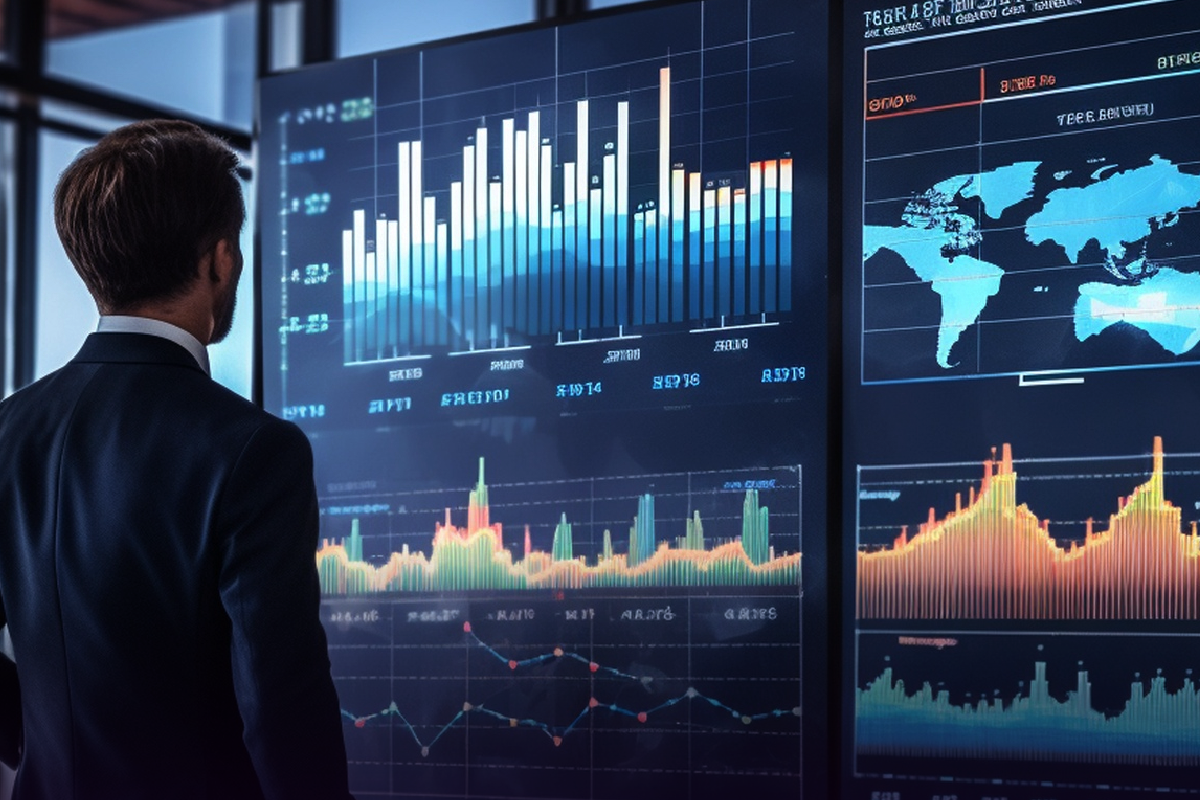
A primary obstacle in supply chain risk management pertains to the intricate and interconnected nature of the supply chain infrastructure. This network comprises numerous strata of suppliers, customers, and intermediaries. To efficiently recognize, evaluate, and alleviate supply chain risks, embracing a cooperative methodology that engages all pertinent supply chain stakeholders is essential. Enterprises are increasingly turning to digital tools to navigate these complexities more effectively.
Supply chain risk management (SCRM) systematically identifies, assesses, and mitigates risks within a supply chain to protect operations and ensure continuity. This involves managing financial stability, regulatory compliance, supplier relationships, and geopolitical risks that affect the entire supply chain, including all partners involved.
Collaborative supplier relationships play a key role in supply chain risk management. These partnerships are built on trust, transparency, and shared goals, enabling better resilience and effective strategies. Collaborative relationships empower both parties to address challenges and leverage opportunities together, with a shared commitment to mutual benefit.
Key components of these collaborative partnerships include:
· Transparent and open communication enables real-time risk identification across the supply chain.
· Shared risk enables equitable distribution of risks, preventing overburden on any single entity.
· Joint risk management and planning allow for more robust and adaptive risk assessment strategies.
· Mutual trust and long-term commitment lead to greater resilience and agility in the supply chain network.
Comprehensive SCRM is built on several critical pillars. First, risk identification involves systematically detecting and documenting risks within supply chains, from financial instability to geopolitical tensions, using tools like supplier audits and scenario planning. Supply chain mapping enhances this by providing a clear picture of all suppliers, processes, and potential vulnerabilities.
Risk assessment then prioritizes these risks based on their potential impact and likelihood, utilizing quantitative and qualitative methods to set mitigation strategies. Mitigation strategies are developed for both immediate and long-term risks, including supplier diversification, maintaining safety stocks, and developing business continuity plans, often supported by technologies such as AI and predictive analytics.
Continuous monitoring is also key, using digital tools to monitor supply chain performance and risk indicators in real-time, with metrics like lead times and supplier financial health. Finally, collaboration and communication are fostered between all supply chain stakeholders through shared platforms and data, enhancing response capabilities when risks materialize.
Supply chain risk mitigation through collaborative supplier partnerships involves several key strategies. A dual sourcing strategy and supplier diversification guard against over-reliance on a single supplier by maintaining multiple sources, thereby preventing disruptions and allowing buyers to negotiate favorable terms. Building financial and operational resilience in supplier relationships involves robust financial health assessments, credit facilities, and maintaining safety stocks to ensure supply availability.
Joint risk assessment and management is critical; this involves regularly assessing risks together and developing contingency plans, utilizing advanced technologies like digital twins to simulate potential disruptions and devise proactive mitigation strategies. Transparent information sharing, supported by digital platforms and technologies such as EDI, real-time visibility tools, and collaborative planning systems, further enhances the ability to manage supply chain risks.
Alignment of regulatory compliance and standards is also essential, requiring a unified approach to compliance that ensures all parties adhere to the same legal requirements and quality standards, reducing the risk of non-compliance and improving product quality. Additionally, technology integration, particularly of advanced digital solutions like AI and machine learning, enhances visibility into the supply chain, facilitating better risk prediction and data-driven decision-making.
The critical success factors for effective collaboration in supply chain risk management (SCRM) involve building trust and transparency, aligning long-term goals with suppliers, and adopting a joint risk management approach. Companies must also leverage technology for enhanced communication and information sharing, maintain flexible and agile supply chains, develop comprehensive contingency plans and conduct crisis management training. Additionally, regular performance monitoring with clear KPIs and a commitment to continuous improvement and innovation are essential. These factors collectively enhance a company's ability to manage supply chain risks and achieve strategic objectives through collaborative supplier partnerships.
TADA is a specialized software platform to help improve supply chain collaboration. Its features include:
· TADA's Digital Twin for Risk Simulation: Enables proactive risk identification and management through real-time simulation and predictive analytics.
· Enhanced Supply Chain Visibility with TADA: Provides detailed insights into supply chain performance, helping companies to pre-emptively address risks.
· Streamlined Supplier Management and Collaboration: Facilitates better communication and coordination among supply chain partners, reducing risks associated with poor communication or coordination.
· Cost Reduction and Efficiency Gains with TADA: By improving collaboration and risk management, TADA helps businesses reduce costs and improve operational efficiency.
TADA's platform is designed not only to solve today's supply chain problems but also to future-proof businesses against emerging challenges.
Future supply chain risk management will be transformed by AI, machine learning, and digital twins, enhancing predictive analytics for disruption identification and optimization. There will be a greater emphasis on sustainability and ethical sourcing, alongside advanced real-time monitoring of supplier financial health and geopolitical risks. Blockchain technology is set to revolutionize transparency, with circular supply chains reducing risks from resource scarcity. Cyber risk management will become more critical as digital dependencies grow.
Talent development in data analytics and supply chain management will be crucial to leverage technological advancements. These trends, moving towards intelligent, sustainable, and interconnected supply chains, require businesses to evolve their collaborative approaches, recognizing that supply chains are complex systems in continuous evolution.
Test your own scenarios with TADA’s Clean TO! Build and see the impact in minutes.
Try TADA Clean TO! Build
Test your own scenarios with TADA’s RM Inventory Manager and see the impact in minutes.
Try RM Inventory Manager

Use TADA’s Tariff Manager to model costs, build agility, and protect margins.
Try the Tariff Manager
Test your own scenarios with TADA’s Tariff Manager and see the impact in minutes.
Try the Tariff Managerest your own scenarios with TADA’s RM Inventory! Manager and see the impact in minutes.
TRY RM Inventory! Manager
Team TADA brings together supply chain practitioners, data engineers, and AI specialists focused on turning complex supply chain data into coordinated action. TADA-an anagram for Data-is built on an AI-enabled Digital Twin foundation that connects data, processes, partners, and decisions to enable real-time visibility, actionable insights, and scenario-based planning across extended supply chain networks.TADA supports mission-critical operations for complex supply chains across manufacturing, CPG, retail, and healthcare. With more than 50 enterprise deployments over the past four years, the team has worked with both Fortune 100 organizations and mid-market companies to modernize how supply chains are planned, monitored, and executed.