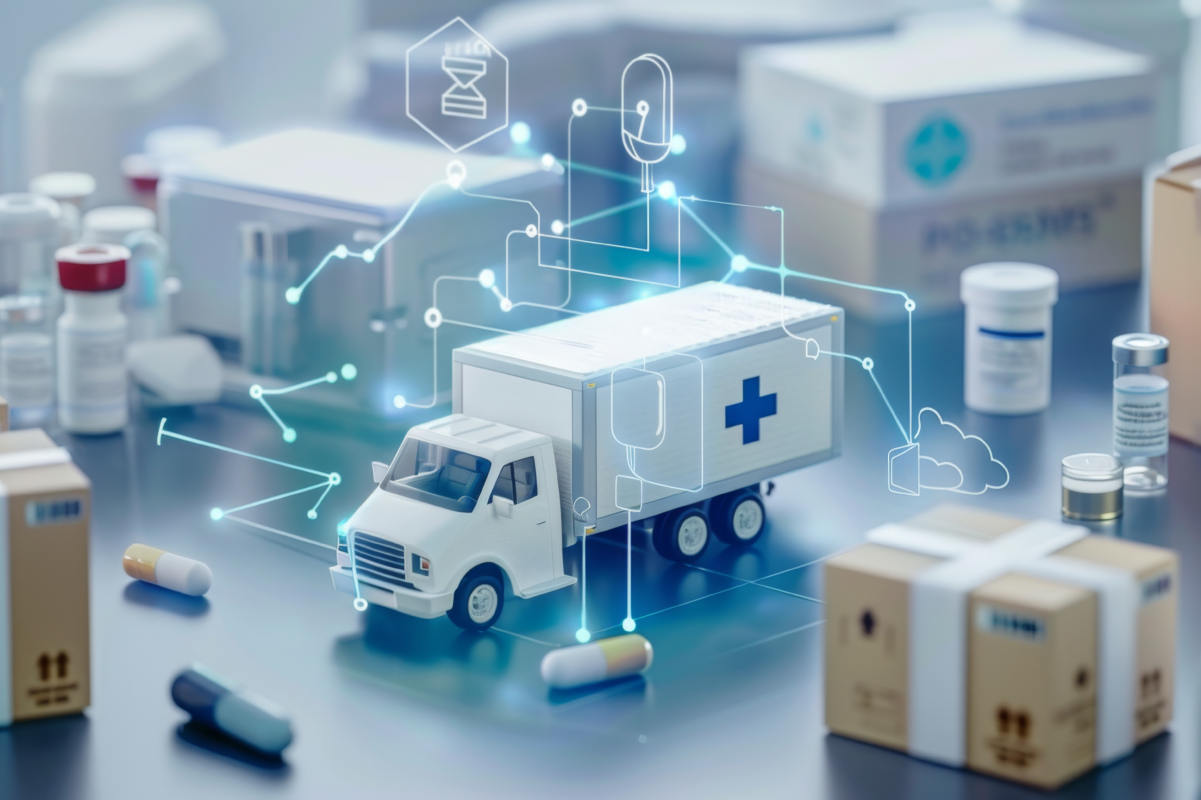
PAR is a critical inventory management system ensuring medical supplies are replenished at the right time.
In today's fast-paced business environment, effective inventory management is more critical than ever. As supply chains become increasingly complex, organizations are turning to advanced technologies to optimize their operations. Among the most transformative of these is AI-enabled Periodic Automatic Replenishment (PAR) management, a sophisticated approach that combines artificial intelligence with periodic replenishment strategies.
PAR (Periodic Automatic Replenishment) management is a systematic approach to maintaining optimal inventory levels by setting specific thresholds that trigger replenishment orders. At its core, PAR management involves:
· PAR Levels: Predetermined quantities that indicate when items need to be reordered to maintain optimal stock levels
· Par Count: Regular counting of inventory to compare against established PAR levels
· Automatic Replenishment: Triggering orders when inventory falls below PAR levels
While traditional PAR management relies on manual counts and static thresholds, AI-enabled systems elevate this process to new heights of efficiency and accuracy.
Traditional PAR management relies on historical data and fixed par levels, often leading to inefficiencies in the form of overstocking or stockouts. AI-enabled PAR management revolutionizes this approach by incorporating machine learning algorithms that adapt to changing conditions and provide intelligent recommendations. Here are the key ways AI enhances PAR management:
1. Dynamic PAR Level Optimization
AI-powered systems continuously analyze multiple factors to optimize PAR levels in real-time:
· Historical usage patterns and trends
· Seasonal variations and upcoming events
· Supplier lead times and reliability metrics
· Budget constraints and carrying costs
· Storage capacity limitations
2. Predictive Analytics for Inventory Management
Machine learning models can predict future demand with greater accuracy by:
· Analyzing historical data patterns
· Identifying correlations between different inventory items
· Accounting for external factors that influence demand
· Learning from supply chain disruptions to improve future forecasts
3. Automated Replenishment Workflows
AI-driven PAR systems streamline the replenishment process through:
· Automated order generation when par levels are breached
· Intelligent routing of orders to preferred suppliers
· Smart bundling of orders to minimize shipping costs
· Real-time tracking and visibility of replenishment orders
4. Continuous Improvement and Learning
One of the most powerful aspects of AI-enabled PAR management is its ability to continuously improve:
· Learning from past replenishment patterns and outcomes
· Adapting to changing business conditions and requirements
· Identifying and incorporating new data sources for better predictions
· Refining algorithms based on actual vs. forecasted performance
Healthcare Supply Chains
In healthcare settings, AI-enabled PAR management is particularly valuable. Critical medical supplies and medications must be available when needed, while excess inventory ties up capital and risks expiration. AI-powered systems help healthcare organizations:
· Maintain optimal stock levels of medical supplies
· Reduce medication waste and expiration
· Streamline the ordering process for pharmaceuticals
· Ensure the availability of critical equipment and supplies
Manufacturing Supply Chains
For manufacturers, AI-enabled PAR management provides:
· Optimized raw material inventory levels
· Reduced production downtime due to material shortages
· Better alignment between production schedules and inventory levels
· Improved supplier collaboration and communication
Retail and Distribution
In retail and distribution, these systems enable:
· Dynamic adjustment of stock levels based on sales patterns
· Reduction of out-of-stock situations
· Improved customer service levels
· Better management of seasonal inventory fluctuations
Organizations implementing AI-enabled PAR management typically see significant improvements across key performance indicators:
· Inventory Optimization: 20-35% reduction in excess inventory while maintaining or improving service levels
· Cost Reduction: 15-25% decrease in carrying costs through more efficient inventory management
· Service Level Improvement: 30-40% reduction in stockouts and service disruptions
· Operational Efficiency: 40-60% improvement in replenishment workflow efficiency
· Accuracy: 25-35% improvement in forecast accuracy for demand planning
While the benefits are clear, implementing AI-enabled PAR management comes with challenges:
Data Quality and Integration
Challenge: Ensuring clean, consistent data from multiple sources
Solution: Implementing robust data governance practices and using advanced data integration tools
Change Management
Challenge: Gaining buy-in from staff and suppliers
Solution: Providing comprehensive training and demonstrating clear ROI early in the implementation
System Integration
Challenge: Connecting with existing ERP and supply chain systems
Solution: Using API-based integration approaches and working with experienced technology partners
As AI technology continues to evolve, PAR management systems will become increasingly sophisticated. Future developments will include:
· Greater integration with IoT devices for real-time inventory tracking
· Advanced natural language processing for easier system interaction
· More sophisticated predictive models incorporating external data sources
· Enhanced collaboration tools for supply chain partners
TADA's AI-powered platform incorporates advanced PAR management capabilities that address all these challenges. Our solution provides:
· Intelligent PAR Level Management: Dynamic optimization of PAR levels based on multiple factors
· Predictive Analytics: Advanced forecasting to prevent stockouts and reduce excess inventory
· Automated Workflows: Streamlined replenishment processes that reduce manual intervention
· Real-Time Visibility: Complete transparency into inventory levels and replenishment status
· Supplier Collaboration: Enhanced tools for working with suppliers to optimize inventory levels
By implementing TADA's AI-enabled PAR management solution, organizations can expect significant improvements in inventory efficiency, cost reduction, and service level enhancement. Our platform is designed to adapt to your specific industry requirements and integrate seamlessly with your existing systems.
To learn more about how TADA's AI-enabled PAR management solution can transform your supply chain operations, contact us today. Let us help you unlock the full potential of intelligent inventory management.
Test your own scenarios with TADA’s Clean TO! Build and see the impact in minutes.
Try TADA Clean TO! Build
Test your own scenarios with TADA’s RM Inventory Manager and see the impact in minutes.
Try RM Inventory Manager

Use TADA’s Tariff Manager to model costs, build agility, and protect margins.
Try the Tariff Manager
Test your own scenarios with TADA’s Tariff Manager and see the impact in minutes.
Try the Tariff Managerest your own scenarios with TADA’s RM Inventory! Manager and see the impact in minutes.
TRY RM Inventory! Manager
Team TADA brings together supply chain practitioners, data engineers, and AI specialists focused on turning complex supply chain data into coordinated action. TADA-an anagram for Data-is built on an AI-enabled Digital Twin foundation that connects data, processes, partners, and decisions to enable real-time visibility, actionable insights, and scenario-based planning across extended supply chain networks.TADA supports mission-critical operations for complex supply chains across manufacturing, CPG, retail, and healthcare. With more than 50 enterprise deployments over the past four years, the team has worked with both Fortune 100 organizations and mid-market companies to modernize how supply chains are planned, monitored, and executed.