Supply chain management is the backbone of efficient logistics and business operations.

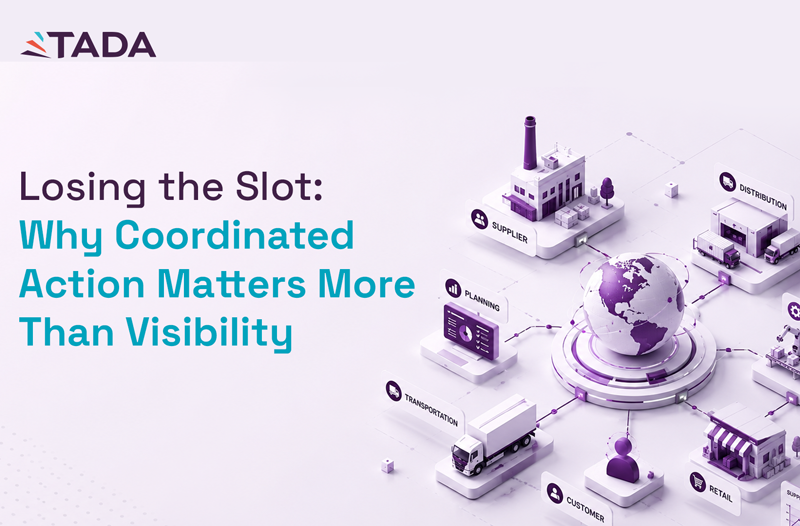
Logistics and supply chain management are often used interchangeably, but they represent different aspects of the process. Logistics refers to the management of the flow of goods, information, and other resources from origin to consumption. Supply chain management, on the other hand, is a broader concept that encompasses all the activities involved in sourcing and procurement, production, distribution, and customer service.
Logistics is a critical component of supply chain management, as it involves moving products efficiently from one place to another. In today's fast-paced business environment, where customers expect timely deliveries and exceptional service, logistics plays a pivotal role in ensuring the smooth functioning of supply chains. Here, we explore the role of logistics in supply chain efficiency, its key components, and how advanced technologies, such as digital twins, are revolutionizing this field.
Logistics in supply chain management refers to the planning, implementation, and control of the efficient, effective forward and reverse flow and storage of goods, services, and related information between the point of origin and the point of consumption, to meet customer requirements. It encompasses a wide range of activities, including transportation, warehousing, inventory management, order processing, and packaging.
Logistics is a complex field that involves multiple components working together to ensure the efficient movement of goods and information. Some key components include:
· Transportation Management: This involves the planning, execution, and optimization of the physical movement of goods. It includes selecting the appropriate modes of transportation, planning routes, and managing carrier relationships.
· Warehouse Management: Warehouses serve as critical nodes in the supply chain, providing temporary storage for goods and serving as processing centers for orders. Effective warehouse management is key to maintaining efficient inventory levels and ensuring timely order fulfillment.
· Inventory Management: Effective inventory management is crucial for maintaining the right balance between stock availability and carrying costs. It involves monitoring stock levels, forecasting demand, and managing replenishment processes.
· Information Management: Logistics relies on the accurate and timely exchange of information across the supply chain. This includes tracking the movement of goods, processing orders, and communicating with suppliers, partners, and customers.
· Order Processing: This involves managing the end-to-end process of receiving and fulfilling customer orders. Efficient order processing is crucial for maintaining customer satisfaction and ensuring timely delivery of goods.
Logistics plays a pivotal role in supply chain efficiency. It connects all elements of the supply chain, from suppliers to customers, ensuring the smooth flow of goods and information. Effective logistics can lead to reduced costs, improved customer service, and enhanced competitive advantage.
Efficient logistics can also contribute to the resilience and agility of supply chains. By optimizing logistics processes and employing advanced technologies, companies can better respond to disruptions and adapt to changing market conditions.
The logistics field is undergoing a significant transformation, driven by advancements in technology. Innovations such as IoT, AI, blockchain, and digital twin technology are reshaping logistics operations, enabling greater visibility, efficiency, and responsiveness.
Digital twin technology, in particular, holds great promise for logistics. A digital twin creates a virtual model of the physical supply chain, enabling real-time monitoring and analysis of logistics operations. This can help companies identify inefficiencies, predict disruptions, and optimize logistics processes.
TADA is at the forefront of leveraging digital twin technology and AI to transform logistics and supply chain management. By providing a comprehensive platform for real-time visibility, predictive analytics, and collaborative tools, TADA is helping companies optimize their logistics operations and enhance supply chain efficiency.
With TADA, companies can create a virtual model of their entire supply chain, enabling them to monitor logistics operations in real-time, predict potential disruptions, and make data-driven decisions to optimize performance. TADA's platform also facilitates better collaboration among supply chain partners, including suppliers, logistics providers, and customers, enabling more efficient and responsive supply chains.
To learn more about how TADA can help you optimize your logistics operations and enhance supply chain efficiency, contact us today.
Test your own scenarios with TADA’s Clean TO! Build and see the impact in minutes.
Try TADA Clean TO! Build
Test your own scenarios with TADA’s RM Inventory Manager and see the impact in minutes.
Try RM Inventory Manager

Use TADA’s Tariff Manager to model costs, build agility, and protect margins.
Try the Tariff Manager
Test your own scenarios with TADA’s Tariff Manager and see the impact in minutes.
Try the Tariff Managerest your own scenarios with TADA’s RM Inventory! Manager and see the impact in minutes.
TRY RM Inventory! Manager
Team TADA brings together supply chain practitioners, data engineers, and AI specialists focused on turning complex supply chain data into coordinated action. TADA-an anagram for Data-is built on an AI-enabled Digital Twin foundation that connects data, processes, partners, and decisions to enable real-time visibility, actionable insights, and scenario-based planning across extended supply chain networks.TADA supports mission-critical operations for complex supply chains across manufacturing, CPG, retail, and healthcare. With more than 50 enterprise deployments over the past four years, the team has worked with both Fortune 100 organizations and mid-market companies to modernize how supply chains are planned, monitored, and executed.